Mobile App Development Cost in India 2026: Flutter, React Native and Native Compared
What it costs to build and run a mobile app in India in 2026: price ranges by app type, how Flutter, React Native and native builds compare, where the budget goes by phase, the store fees and yearly running costs, and how to cut cost without cutting quality.

In this article
- How much does it cost to develop an app in India?
- Flutter vs React Native vs native: cost compared
- Where the money goes: cost by phase
- What drives app development cost
- Costs after launch
- How to lower the cost without cutting quality
- App development cost in Mumbai and other metros
- Checklist: questions to ask before you sign
- How Nexgeno estimates an app
- Frequently asked questions
Quick answer
Mobile app development cost in India in 2026 ranges from ₹3 to ₹8 lakh for a simple app, ₹8 to ₹25 lakh for a mid-complexity app with logins, payments and an admin panel, and ₹25 lakh to ₹1 crore or more for marketplaces and fintech. Flutter or React Native builds typically cost 30% to 40% less than two native apps.
Key takeaways
- Features decide the price, not the idea. Count screens, user roles and integrations to place your app in a band.
- One cross-platform codebase covers Android and iPhone for most business apps and saves roughly a third.
- The backend and admin panel take about a quarter of the budget. Ask for them to be itemised.
- Plan 15% to 20% of the build cost every year for maintenance, servers and operating system updates.
- Launch a smaller first version, measure real use, then fund the next features from evidence.
How much does it cost to develop an app in India?
Place your project in one of five bands. These are typical 2026 ranges from Indian agencies for a cross-platform build, excluding 18% GST.
| App type | Typical cost | Timeline | Examples |
|---|---|---|---|
| Simple app (8 to 12 screens, little or no backend) | ₹3,00,000 to ₹8,00,000 | 6 to 10 weeks | Catalogue, booking request, calculator, event guide |
| First version of a product (MVP) | ₹4,00,000 to ₹10,00,000 | 8 to 12 weeks | Core journey only, built to test demand |
| Mid-complexity app (15 to 30 screens) | ₹8,00,000 to ₹25,00,000 | 3 to 5 months | Logins, payments, notifications, admin panel, reports |
| Complex platform | ₹25,00,000 to ₹60,00,000 | 5 to 9 months | Marketplace, on-demand delivery, live tracking, chat |
| Regulated or enterprise app | ₹50,00,000 to ₹1 crore+ | 8 to 12 months and up | Fintech, health records, ERP-linked field apps |
Ranges are market estimates for budgeting, not a Nexgeno rate card. For a scoped figure, talk to our mobile app development team.
Flutter vs React Native vs native: cost compared
The technology choice changes the price more than any single feature, because it decides how many times the app is written.
| Approach | Codebases | Relative cost | Best for | Trade-off |
|---|---|---|---|---|
| Flutter | One (Dart) | 60% to 70% | Most business and consumer apps, custom interfaces | Larger app size, some device features need native code |
| React Native | One (JavaScript) | 60% to 70% | Teams that already use React on the web | Heavier reliance on third-party modules |
| Native (Swift and Kotlin) | Two | 100% | Games, heavy graphics, deep hardware use | Two teams, two sets of bugs, slower releases |
| Progressive web app | One (web) | 30% to 50% | Content, catalogues and simple tools | Limited device access, weaker app store presence |
Flutter app cost
Flutter, Google's framework, builds Android and iPhone apps from one codebase with its own rendering engine. That gives consistent design on both platforms. Flutter app cost for a mid-complexity project usually lands at ₹8 to ₹20 lakh. You can hire Flutter developers from our team by the month.
React Native development cost
React Native, from Meta, uses JavaScript and shares skills and some code with React websites. React Native development cost is close to Flutter's for the same scope. It is the natural choice if your web team already works in React. See our React Native developers page.
Native iOS and Android cost
Native means writing the app twice: Swift for iPhone and Kotlin for Android. Performance and access to device features are the best available. Budget roughly 1.5 times a cross-platform build. It is worth it for games, augmented reality, complex animation or apps that push the hardware. We have dedicated iOS and Android developers for those cases.
Where the money goes: cost by phase
| Phase | Share of budget |
|---|---|
| Discovery, user flows and wireframes | 10% to 15% |
| Interface design | 10% to 15% |
| App development | 35% to 45% |
| Backend, APIs and admin panel | 20% to 25% |
| Testing on real devices | 10% to 15% |
| Store submission and launch | 3% to 5% |
Nexgeno insight
Most first-time app budgets cover the app and forget what sits behind it. The admin panel, the APIs and the server usually take about a quarter of the build, and they are what you will use every day to run the business. Ask for the backend to be itemised in every quote you receive.
What drives app development cost
- Number of screens and user roles. A customer app, a staff app and an admin panel are three products, not one.
- Backend complexity. Real-time updates, search, recommendations and reports all add server work.
- Integrations. Payment gateways, maps, one-time passwords by SMS, WhatsApp, CRM and accounting each need building and testing.
- Platforms. Android, iPhone, tablet layouts and a web version multiply design and testing.
- Design ambition. Custom animation and illustration cost more than standard components.
- Security and compliance. Apps that hold payments or health or identity data need encryption, audits and legal review.
- Offline use. Working without a connection and syncing later is one of the costliest features to get right.
Costs after launch
An app is never finished. Budget for these every year.
- Apple Developer Program: US$99 a year, required to publish on the App Store.
- Google Play Console: a one-time US$25 registration fee.
- Store commission: both stores take a share of digital goods and subscriptions sold inside the app. Apple's Small Business Program sets it at 15% for developers earning up to US$1 million a year. Google Play also has a 15% tier, and its fee structure is changing by region through 2026. Physical products and real-world services, such as a food order or a cab ride, are paid through your own payment gateway.
- Servers and services: ₹2,000 to ₹50,000 a month depending on users, plus usage-based charges for SMS, maps and notifications.
- Maintenance: 15% to 20% of the build cost a year for bug fixes, security patches and the yearly Android and iOS updates.
- New features: the apps that grow release improvements every month or two.
How to lower the cost without cutting quality
- Start with a smaller first version. Build the one journey that proves the idea. Our product prototyping service tests it before full development.
- Go cross-platform unless you have a clear reason for native.
- Launch on one platform first if budget is tight. Android held about 95% of mobile operating system share in India in October 2026, against about 5% for iOS, according to StatCounter.
- Use proven services for logins, payments and notifications instead of building your own.
- Consider a progressive web app for content and catalogue use cases. You can hire PWA developers for a fraction of an app build.
- Fix the scope in writing and keep a list of later features. Changes mid-build are the main cause of overruns.
App development cost in Mumbai and other metros
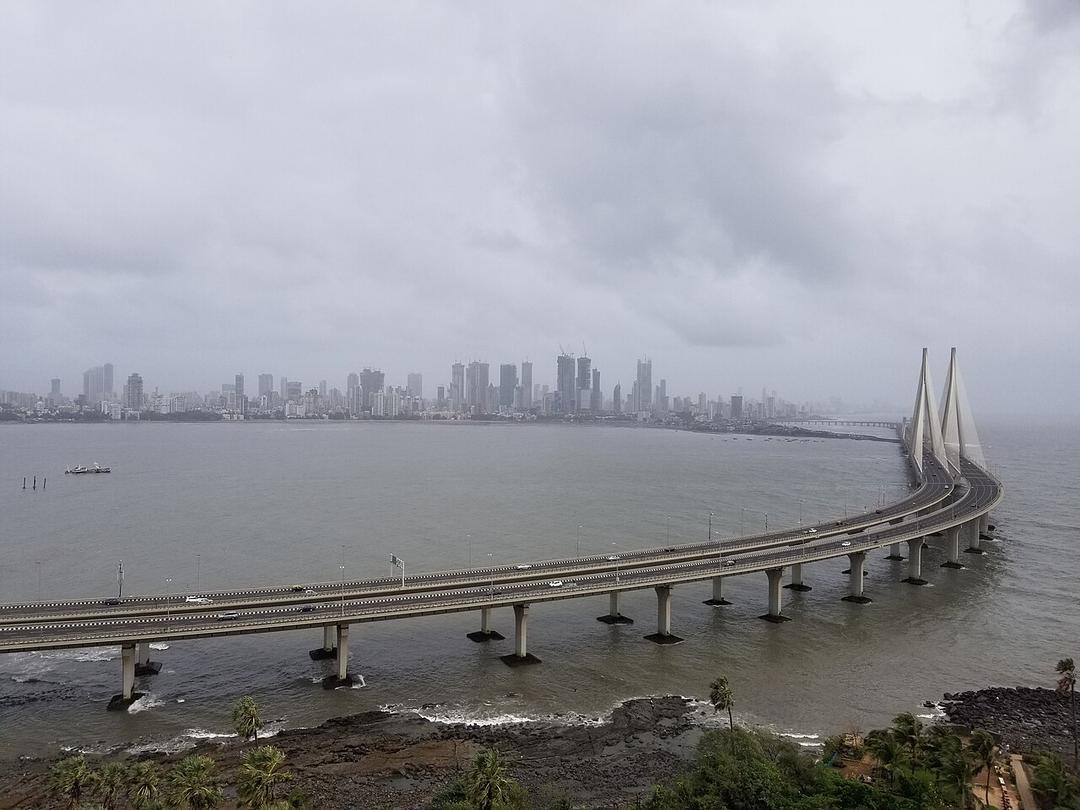
Agency rates in Mumbai, Bengaluru and Delhi NCR sit at the top of the Indian range, typically ₹1,000 to ₹3,000 an hour blended across designers, developers and testers. Freelancers charge less and suit small, well-defined apps. For anything with a backend, payments or a launch date, a team is the safer choice, for the reasons we set out in freelancer vs agency vs in-house.
App development cost in Mumbai is still well below rates in the UK, the US or the Gulf, which is why many overseas companies build here.
Checklist: questions to ask before you sign
- Is the quote for Android, iPhone or both, and which framework?
- Are the backend, APIs and admin panel included and itemised?
- Which third-party services does the app depend on, and what do they cost each month?
- Who owns the source code, the store accounts and the server?
- How will the app be tested, and on which real devices?
- What is included after launch, and for how long?
- What does maintenance cost each year?
- Can I see two apps you built that are live in the stores?
How Nexgeno estimates an app
We begin with a free 30-minute call about your users, the journeys that matter and the systems the app must connect to. You then get a feature list split into a first version and later phases, a recommended framework with the reasoning, a fixed price for the first version and a realistic yearly running cost.
Where the app is part of a larger system, our custom software development team builds the backend alongside it. See past work in our case studies.
Get an app cost estimate
Tell us what the app should do. We will send a phased feature list and a fixed price for the first version within three working days.
Frequently asked questions
How much does it cost to develop an app in India?
The cost to develop an app in India in 2026 is typically ₹3 to ₹8 lakh for a simple app, ₹8 to ₹25 lakh for a mid-complexity app with payments and an admin panel, and ₹25 lakh to ₹1 crore or more for marketplaces, fintech and enterprise apps.
Is Flutter cheaper than native app development?
Yes, for most apps. One Flutter codebase serves Android and iPhone, so the build usually costs 30% to 40% less than two native apps and is cheaper to maintain.
Flutter or React Native: which costs less?
They cost about the same for the same scope. Choose Flutter for custom interfaces and consistent design across platforms, and React Native if your team already works in React and JavaScript.
How long does it take to build a mobile app?
A simple app takes 6 to 10 weeks, a mid-complexity app 3 to 5 months and a complex platform 5 to 9 months. Clear scope and fast feedback shorten every phase.
How much does it cost to maintain an app each year?
Plan 15% to 20% of the original build cost a year for fixes, security patches and operating system updates, plus servers and third-party services, which scale with the number of users.
What do the app stores charge?
Apple charges US$99 a year for its developer programme and Google a one-time US$25. Both take a commission, 15% for most small developers, on digital goods and subscriptions sold inside the app.
Should I build for Android or iPhone first?
For a mass-market Indian audience, Android first, because it holds about 95% of the market by StatCounter's October 2026 figures. For premium or international audiences iPhone matters more. A cross-platform build covers both from the start at modest extra cost.
Sources and further reading: Apple Developer Program membership · App Store Small Business Program · Google Play Console registration · Google Play service fees · Flutter · React Native · StatCounter, mobile operating system share in India. Store fees and market share figures were checked on 5 November 2026. Build costs, hourly rates and running costs are estimates based on Indian agency quotes seen by the Nexgeno team in 2025 and 2026.
Written by
Tamir Khan · CTO & Co-Founder, Nexgeno Technology
Tamir leads technology at Nexgeno, a Mumbai web design and digital marketing company. He has scoped and shipped hundreds of business, ecommerce and enterprise web projects since 2014 and writes about what they really cost and why.
Nexgeno on LinkedIn ›