Search Experience Optimization: The Future of SEO & UX Combined
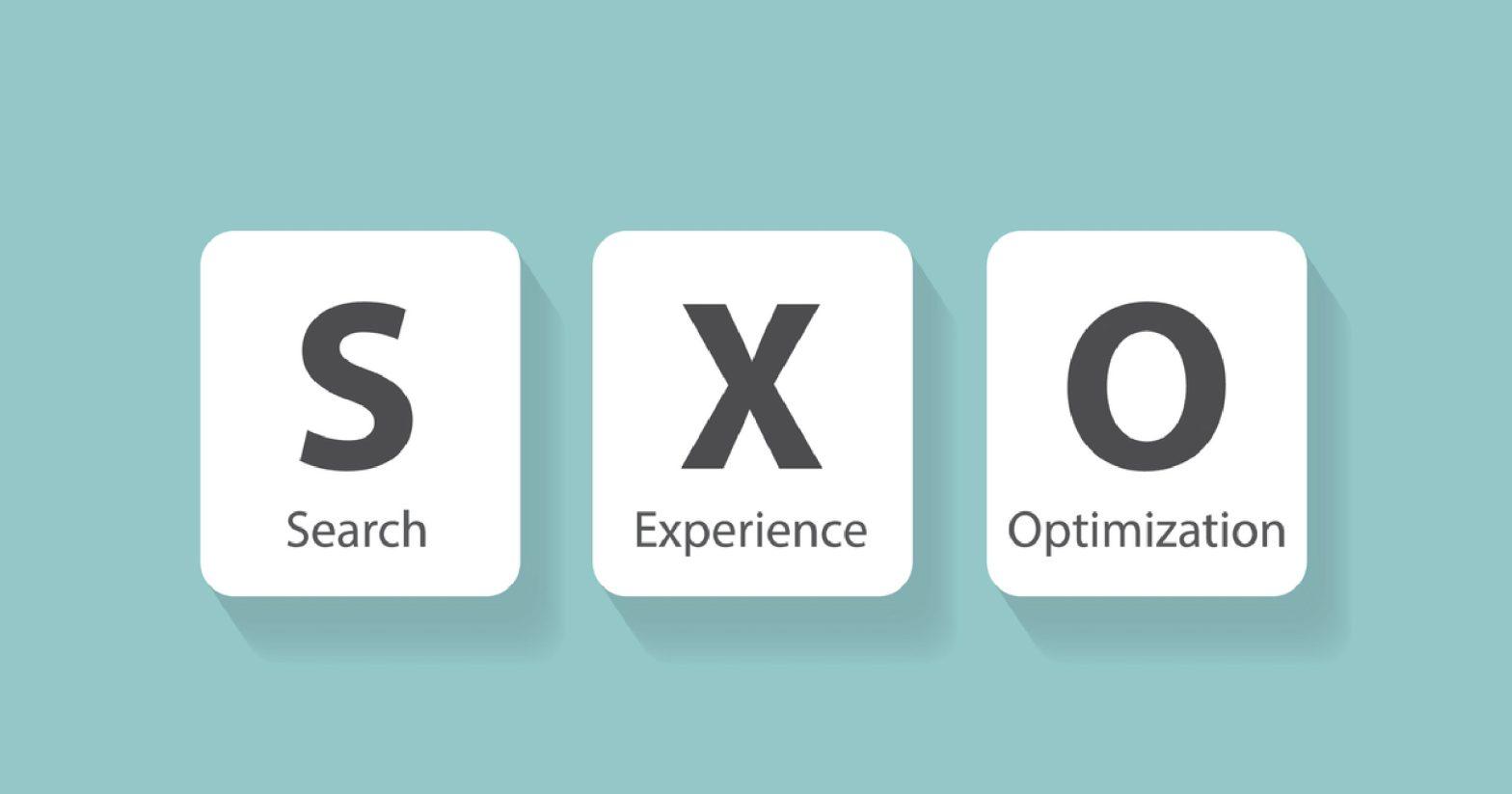
In the fast-evolving digital landscape, traditional SEO is no longer enough. Search engines have grown smarter, and user expectations are higher than ever. To stay ahead, businesses need to shift their focus from ranking alone to creating a seamless, satisfying experience for users. This is where Search Experience Optimization (SXO) comes in — a powerful fusion of SEO and UX that’s shaping the future of digital marketing.

What Is Search Experience Optimization (SXO)?
Search Experience Optimization is the next evolution of SEO. While SEO focuses on improving visibility and traffic from search engines, SXO takes it a step further by optimizing the entire journey — from search query to conversion.
It’s about answering user intent with precision, delivering fast and accessible content, and providing an intuitive, engaging experience that builds trust and encourages action.
SXO = SEO + UX + CRO
SXO isn’t just a buzzword. It combines three core disciplines:
-
Search Engine Optimization (SEO): Driving organic traffic by targeting the right keywords and optimizing on-page elements.
-
User Experience (UX): Ensuring your site is easy to navigate, fast-loading, and visually appealing.
-
Conversion Rate Optimization (CRO): Turning visitors into leads or customers through persuasive design and clear calls to action.
Why SXO Matters More Than Ever
Search engines like Google prioritize user satisfaction. With algorithm updates such as Core Web Vitals, E-E-A-T, and Helpful Content Updates, it’s clear that providing value to users is the top priority.
Here’s why SXO should be at the heart of your digital strategy:
1. User-Centric Algorithms
Google's algorithms now evaluate not just keywords and backlinks, but how users interact with your site. High bounce rates, low dwell time, or poor mobile usability can hurt your rankings.
2. Competitive Edge
Many websites still treat SEO and UX as separate efforts. Adopting SXO gives you an edge by aligning these two vital strategies to deliver better results — for both users and search engines.
3. Higher Conversions
A good ranking is useless if visitors don’t convert. SXO ensures your content is not only found, but felt — engaging users and gently guiding them toward conversion.
Key Elements of a Strong SXO Strategy
To succeed with SXO, you need to optimize every stage of the search experience. Here’s how:
Understand Search Intent
Are users looking to buy, learn, or compare? Match your content format and tone to their intent. For example:
-
Informational intent: Blog posts, guides, FAQs
-
Transactional intent: Product pages, landing pages
-
Navigational intent: Brand or service-specific pages
Improve Page Speed and Mobile Experience
Google rewards fast, mobile-friendly sites. Tools like PageSpeed Insights and Lighthouse can help you identify bottlenecks and optimize accordingly.
Use Clear, Engaging Content
Your content should be well-structured, scannable, and written in a natural, human tone. Use headings, bullet points, and visuals to break up text and enhance readability.
Prioritize Accessibility
Make your content inclusive by using accessible design principles. Alt text for images, keyboard navigation, and readable fonts improve experience for all users — and improve SEO.
Design for Conversion
Use clear CTAs, frictionless navigation, and psychological triggers (like social proof or scarcity) to guide users toward the next step in their journey.
SXO Tools & Metrics to Track
To monitor the effectiveness of your SXO efforts, track both SEO and UX metrics, including:
-
Organic traffic & keyword rankings (Google Search Console, Ahrefs, SEMrush)
-
Bounce rate & dwell time (Google Analytics)
-
Page speed & Core Web Vitals (PageSpeed Insights, GTmetrix)
-
Conversion rates & user flows (Hotjar, Crazy Egg, GA4)
Final Thoughts: SXO Is the New SEO
Search Experience Optimization isn’t a passing trend — it’s the future of digital strategy. By combining the technical precision of SEO with the empathy and fluidity of UX, SXO helps you create a website that not only ranks, but resonates.
Our Clients
Trusted by 2500+ businesses for innovative website design & development solutions.








Our Services
Latest Posts
Custom CRM vs. Off-The-Shelf Software: Why Growing Indian Businesses Need Tailored Systems
Mastering custom crm software development mumbai requires adopting structured, evidence-based practices that prioritize quality, cost transparency, and procedural safety. By aligning with verified industry benchmarks, users and businesses can overcome seasonal challenges, streamline decision-making, and achieve long-term reliability without unexpected expenses. Navigating modern requirements for custom crm software development mumbai has become increasingly critical as market conditions and seasonal priorities evolve in Q4. Whether addressing personal needs, travel logistics, or business transformations, having clear technical guidance eliminates costly missteps. At Nexgeno Technology, our team of dedicated domain specialists provides high-impact solutions designed for reliability and measurable success. In this comprehensive guide for October Week 4, we analyze key industry considerations, evaluate practical alternatives, and provide an actionable roadmap for optimal results.
GEO by Engine: How ChatGPT, Claude, Gemini, and Perplexity Choose What to Show
Generative AI has changed how people search for information. Instead of typing a short keyword into Google and opening several websites, users can now ask complete questions to platforms such as ChatGPT, Claude, Gemini, and Perplexity and receive a conversational answer within seconds. That creates a new challenge for businesses. Ranking on Google is still important, but brands also need to understand how their content can become visible, referenced, mentioned, and cited inside AI-generated answers. This is where Generative Engine Optimization (GEO) becomes important. However, there is one major misconception: there is no universal GEO formula that works identically across every AI platform. ChatGPT, Claude, Gemini, and Perplexity have different products, retrieval systems, data sources, and ways of presenting information. Their exact ranking and selection mechanisms are proprietary, so nobody outside the companies operating these systems can provide a complete formula. What marketers can do is study their publicly documented capabilities, observable behaviour, search experiences, and content requirements — then build content that is useful across these different environments. In this guide, we will break down how GEO differs across ChatGPT, Claude, Gemini, and Perplexity, what businesses should focus on, and how traditional SEO fits into the AI-search era.
Meta Tags for SEO: What They Are, Why They Matter, and How to Use Them Right
Meta tags are small pieces of information added to a webpage's HTML that help search engines, browsers and other platforms understand or process the page. Some metadata can influence how a page is indexed or represented in Google Search, while other elements mainly affect how the page appears when shared on social platforms. For modern SEO, meta tags should not be treated as a ranking shortcut. A strong SEO strategy combines metadata with useful content, technical accessibility, internal linking, site structure, page experience and search intent. In this guide, we will explain the most important meta tags and related HTML elements, what each one does, how to optimise them, common mistakes to avoid, and how metadata fits into modern SEO and AI-powered search.
Get In Touch










- Website Maintenance
- SSL Certificates
- Top SEO Company in Mumbai
- Social Networking
- AI/ML Development
- Mobile App Development
- Cloud Solutions Services
- E-Commerce Website
- Product Prototyping
- Front-end Development
- Digital Transformation
- Custom Website Designing
- Search Engine Optimization
- Application Development
- Website Development
- Website Designing
- Hire Vue Js Developer
- Hire Next Js Developer
- Hire WordPress Developer
- Hire OpenCart Developer
- Hire Magento Developer
- Hire Shopify Developer
- Hire React JS Developers
- Hire Angular Developers
- Hire PWA Developers
- Hire React Native Developers
- Hire Lonic Developers
- Hire Flutter Developers
- Hire Android App Developers
- Hire iOS App Developers
- Hire Express JS Developers
- Hire CodeIgniter Developers
- Hire Laravel Developers
- Hire PHP Developers